
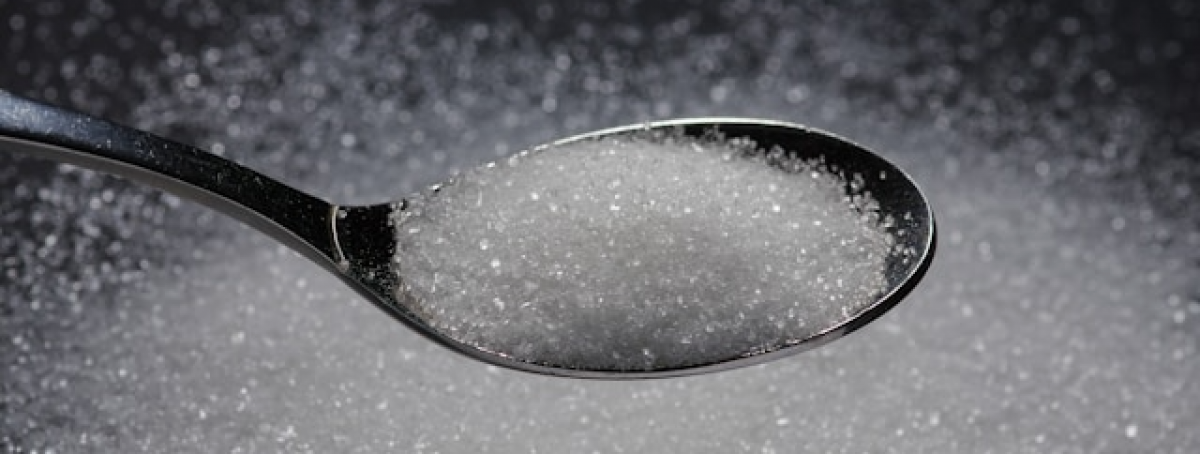
Ireland’s pharmaceutical sucrose market occupies a niche that most procurement teams overlook until it becomes a problem. IndexBox’s market analysis and forecast for Ireland’s sucrose sector defines the product not as a commodity sweetener but as a high-purity excipient — a critical stabiliser, lyoprotectant, and bulking agent used in the formulation of biologics, vaccines, and lyophilised injectables. With pharmaceuticals accounting for 37.3% of Ireland’s goods exports in 2024, and major capital commitments from Eli Lilly, Novo Nordisk, and MSD reinforcing Ireland as a global biologics manufacturing hub, procurement of qualified pharmaceutical sucrose is a strategic responsibility.
The report’s central insight is that this market is governed by qualification barriers and purity specifications, not price. Procurement is dominated by technical and quality considerations, with long qualification cycles creating significant switching costs between biopharma formulators and excipient suppliers. Price is secondary to assured supply and regulatory documentation. For CPOs and supply chain leaders, this redefines sucrose’s position in category strategy: it is a quality-critical input where the cost of disruption far exceeds the cost of the material itself.
Three structural dynamics define the market. First, specification escalation: demand is shifting from standard pharmacopoeial grades towards high-purity, low-endotoxin, and customised particle-size variants, driven by advanced therapy pipeline growth. Second, supply concentration risk: Ireland is a net importer of pharmaceutical sucrose, creating import dependence on a small number of GMP-qualified refiners whose geographic concentration exposes supply to logistics and regulatory disruption. Third, high switching costs: USP and European Pharmacopoeia compliance, GMP change-control protocols, and Drug Master File requirements make replacing a qualified supplier expensive and slow.
The compliance burden acts as a primary market gatekeeper, protecting incumbents and raising entry costs for new suppliers. For procurement teams managing lyophilisation programmes or fill-finish operations, this creates both a risk and an opportunity: those who invest early in supplier qualification, dual sourcing, and supply chain resilience will be insulated from the disruptions affecting under-prepared peers across the EU biopharma network.
Three actions follow from the IndexBox analysis. Leaders should map current sucrose supplier concentration against their lyophilised product portfolio to identify single-source dependencies before they become production constraints. Qualification programmes for at least one alternative supplier should begin now, given lead times that can exceed twelve months. And sucrose should be formally reclassified as a strategic material, ensuring it receives the supplier relationship management and risk monitoring commensurate with its role in product integrity.
Ireland’s biopharma trajectory points firmly towards greater demand for pharmaceutical sucrose. As cell and gene therapy pipelines mature and fill-finish capacity expands, procurement teams that treat sucrose as a premium strategic input — and build supplier relationships to match — will be better positioned than those still managing it as a line-item cost.
(The views expressed by the writer are his/her own and do not necessarily reflect the views or positions of BusinessRiver.)











.png)