

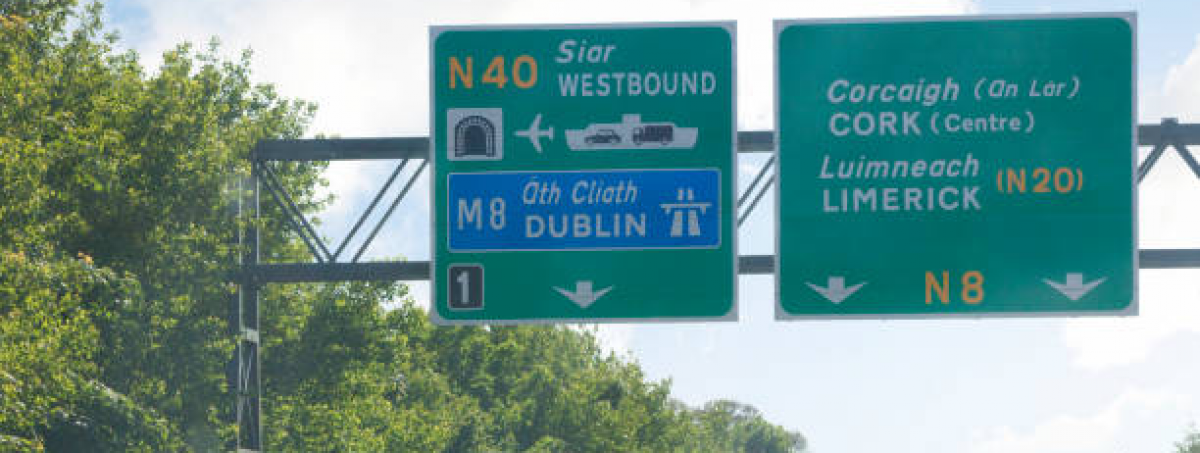
The N/M20 Cork to Limerick project is progressing through design and environmental evaluation, bringing planning, land acquisition and eventual procurement into clearer view for the infrastructure supply chain.
The N/M20 Cork to Limerick project remains at Phase 3 of Transport Infrastructure Ireland's project management process, with the latest update indicating that the scheme is expected to progress towards the statutory planning process following completion of its current design and environmental work.
Transport Infrastructure Ireland (TII) is the national authority responsible for planning and delivering Ireland's national road network and major national road projects. The N/M20 is identified as a key infrastructure project supporting connectivity between Cork, Limerick and the wider Atlantic Economic Corridor.
The immediate procurement relevance is already visible. A land and property valuation services contract for the N/M20 was progressed through Limerick City and County Council in 2026, using the TII159 Real Estate Consultancy Services Framework for the National Roads Programme. The service supports the acquisition of land and property required for delivery of the project.
That activity is significant because it demonstrates that procurement associated with the scheme is already occurring before the main construction contract. For suppliers, the project therefore represents a developing procurement pipeline rather than a single future construction tender.
The next major stage will depend on completion of Phase 3 deliverables, including the design report, Environmental Impact Assessment Report, statutory process documentation and preliminary business case. TII states that, subject to government approval, the formal planning submission will then proceed in Phase 4.
For the wider supply chain, this creates opportunities across several disciplines. Land and property services are already involved, while future stages can generate requirements for environmental assessment, engineering, planning, project management, construction and specialist infrastructure services. The project's scale also means preparation work can create opportunities for professional services firms before principal construction procurement begins.
The N/M20 also has a wider strategic significance beyond the immediate road connection. TII describes the project as a critical missing link in the Atlantic Economic Corridor, with improved connectivity intended to support regional accessibility and economic development along the western seaboard.
The distinction between procurement and physical construction remains important. The current project stage does not establish a firm date for construction activity, and progression remains dependent on planning, funding and the required approvals. The latest update instead points to continued movement through the project development process, with procurement becoming increasingly relevant as the scheme advances.
For the sector, the N/M20 demonstrates how major public infrastructure procurement develops well before construction begins. The early appointment of specialist land and property services shows that opportunities can emerge progressively as a project moves through design, environmental assessment, planning and enabling stages, giving suppliers visibility of a significant future infrastructure pipeline.
Source: Irish Independent / Transport Infrastructure Ireland / eTenders












.png)