
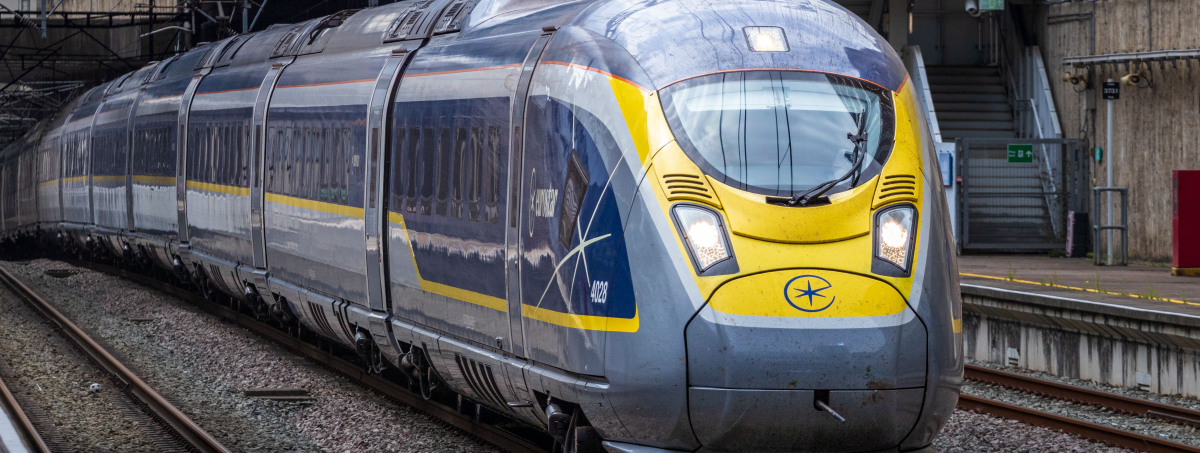
Ireland's MetroLink programme has advanced a major procurement competition, with three international consortia shortlisted for the M500 contract, an estimated €7.3 billion package covering railway systems, rolling stock and long-term operations.
Construction Review Online reported on 17 November 2026 that Transport Infrastructure Ireland (TII) selected three groups from five initial applicants, following the issue of regret letters to two unsuccessful bidders on 13 November. The shortlisted contenders are Turas Link, GoConnect and Ériu Metro Partners, bringing together international infrastructure investors, engineering companies, railway technology manufacturers and transport operators.
Turas Link includes Plenary Group, Webuild, Hitachi Rail and Keolis. GoConnect comprises Meridiam, John Laing, FCC, Alstom and RATP Dev. Ériu Metro Partners brings together Macquarie, Hyundai Rotem, Korea Overseas Infrastructure & Urban Development Corporation (KIND), Mota-Engil, MTR Corporation and Nippon Signal.
The competition centres on the M500 Design, Build, Finance, Operate and Maintain (DBFOM) contract. According to TII's procurement notice, the estimated €7.3bn net present value excludes VAT and reflects February 2026 assumptions. It covers an anticipated seven-year work period and a subsequent 25-year operating and maintenance term. The estimate is subject to change as the procurement progresses.
The successful bidder will be responsible for an extensive package of railway systems and associated facilities. This includes automated rolling stock, signalling, trackwork, power and communications infrastructure, a railway depot, maintenance facilities and an operational control centre. The contract also covers mechanical and electrical systems, tunnel and station ventilation, and the fit-out and finishes of 16 stations. TII is procuring the major tunnelling and heavy civil engineering works separately through the M400 packages.
The structure creates a substantial opportunity for suppliers across rail technology, electrical engineering, building services, specialist construction and facilities management. The 25-year service period is particularly significant, placing maintenance, system availability and whole-life asset performance alongside the initial delivery requirements.
MetroLink's published procurement scope confirms that the M500 partner will be responsible for the integrated operation and maintenance of the passenger service. This makes the procurement relevant not only to major infrastructure consortia but also to specialist businesses supporting the operational supply chain.
Detailed tender documentation is expected to be issued in 2027, with a preferred bidder anticipated in early 2028. The next stage will allow shortlisted groups to develop their proposals and demonstrate how they will manage the technical, financial and operational demands of the contract.
For the sector, the lesson is direct: MetroLink's M500 procurement creates a long-term commercial opportunity that extends well beyond railway construction. The winning partnership will need to combine systems integration, reliable infrastructure delivery and sustained operational performance, while opening potential routes into Ireland's expanding transport supply chain.










.png)