

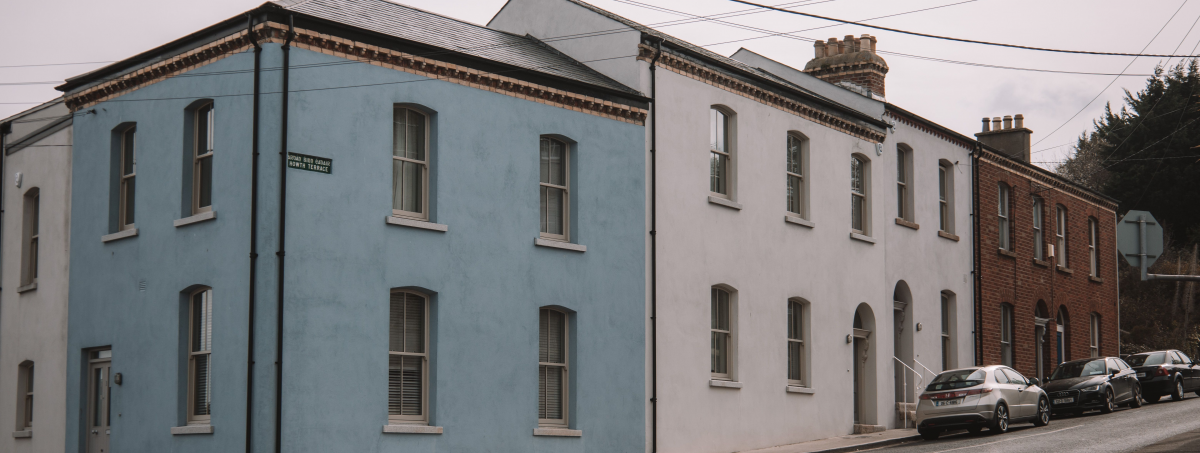
Kildare County Council’s decision to progress 60 social housing homes at Oldtown Mill, Celbridge, through a Design and Build procurement route highlights an opportunity to strengthen how Ireland delivers public housing. In its 23 November 2026 report, Ireland Live News reported that the project had moved away from its previously proposed Public Private Partnership model, with funding approval secured and a tender process underway through an existing multi-supplier framework. The development offers a useful example of how procurement strategy can help move public investment towards construction.
The council received Single Stage funding approval from the Department of Housing, Local Government and Heritage on 11 August 2026. It subsequently issued invitations to tender on 29 October through a mini-competition under its Multi Supplier Framework for Design and Build Housing Projects. With tenders closing on 21 January 2027, the council currently envisages a construction start in Q2 2027 and an approximate 18-month build period. These milestones provide contractors and appointed framework suppliers with a clearer view of the opportunity, while demonstrating the importance of aligning funding approval, tender assessment and contract award.
The wider pipeline makes this procurement activity particularly relevant. Kildare County Council’s October 2026 Chief Executive report also identifies housing developments at Coolaghknock Glebe, Rickardstown and Rathasker Road, with proposed combinations of social and affordable homes. These schemes illustrate the scale of coordination required across local-authority housing programmes and the potential work available to construction companies, design teams, consultants and suppliers.
Framework-based procurement can help public bodies engage suppliers through an established competitive process, while Design and Build contracts bring design and construction delivery together within a defined arrangement. The Government's Capital Works Management Framework provides the wider policy and guidance structure for public construction projects, including procurement, contract strategy and project management. Applying these principles consistently can help authorities maintain clearer responsibilities, manage costs and assess proposals against quality and delivery requirements.
For businesses, this creates an opportunity to engage with public housing programmes earlier and build the partnerships needed to compete for framework opportunities. Contractors can work with architects, engineers and specialist suppliers to develop integrated proposals, while manufacturers and subcontractors can prepare for demand across multiple developments. Strong procurement planning also gives public bodies a better basis for monitoring project performance and protecting the value of public investment.
The Celbridge project demonstrates how procurement choices can help shape housing delivery well before construction begins. By combining suitable contracting models, established frameworks and disciplined project oversight, local authorities can create more structured routes from funding approval to completed homes. For Ireland’s construction sector, that represents an opportunity to contribute to a sustained programme of public housing while strengthening the value and effectiveness of public procurement.










.png)