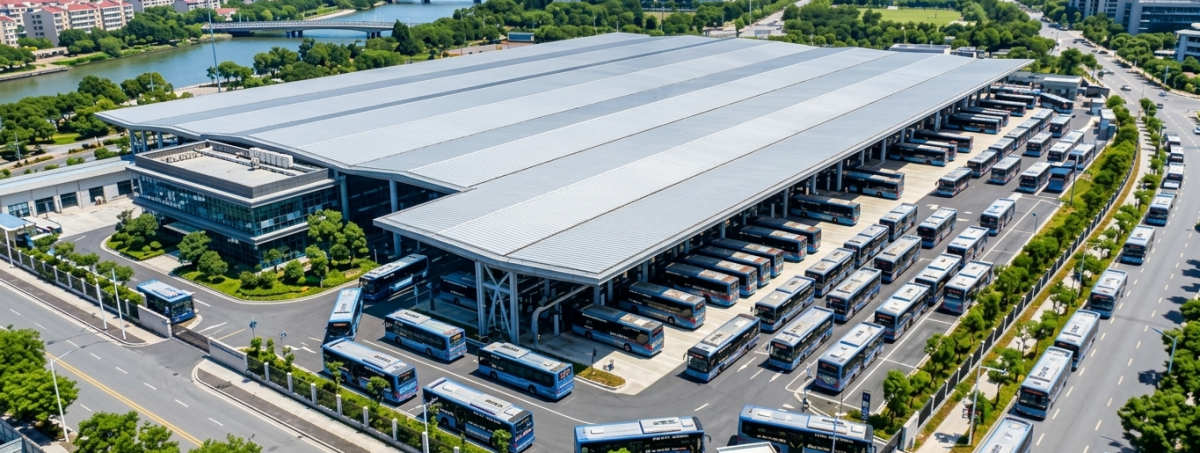
Collective procurement is emerging as a powerful route to accelerate electric bus investment across the UK, as transport authorities look to combine purchasing power, standardise specifications and create more predictable demand for manufacturers. With dedicated grant programmes giving way to broader transport funding settlements, coordinated buying could help public-sector buyers secure greater value while supporting the transition to cleaner bus fleets.
The opportunity was highlighted in the October edition of Surbon Signal, published by Surbon Consulting, a specialist transport consultancy advising on public transport strategy, procurement and commercial development. Its analysis follows discussions at Clean Buses UK in London, where the Department for Transport outlined the shift towards a more stable market for zero-emission vehicles. Approximately 2,500 zero-emission buses were registered in the UK during 2025, a record that represented more than half of new bus registrations.
For procurement teams, the next challenge is turning that momentum into sustained purchasing programmes. The Department for Transport's ten-year zero-emission bus order pipeline forecasts between 17,400 and 21,525 new vehicles from 2026 to 2035. The published estimates give manufacturers greater visibility of anticipated demand, helping them plan production capacity, workforce requirements and supply chains. This is particularly important in a market where larger, coordinated orders can create opportunities for economies of scale. The official DfT pipeline provides a shared planning reference for authorities, operators and suppliers.
The procurement strategy is also gaining institutional support. In March 2026, the UK Bus Manufacturing Expert Panel secured commitments from Mayoral Combined Authorities to explore joint purchasing where appropriate, work towards more consistent vehicle specifications and apply a minimum 10% social-value weighting in future bus tenders. These measures could help buyers balance competitive pricing with accessibility, safety, local economic benefits and long-term fleet performance. The Department for Transport's commitments provide a framework for making collaboration more practical.
A particularly relevant development for Ireland is the reported exploration of joint vehicle procurement between Transport for West Midlands (TfWM), the regional transport authority responsible for coordinating public transport across the West Midlands, and Translink, Northern Ireland's main public transport operator. Translink operates bus and rail services through its subsidiary networks, including Metro, Ulsterbus and Northern Ireland Railways. If progressed, the initiative could demonstrate how authorities with different transport networks can work together on specifications and purchasing requirements. The proposal remains exploratory rather than a confirmed joint contract, but it highlights the potential for cross-border collaboration.
For the sector, the lesson is direct: combining procurement demand can give transport authorities greater leverage, help manufacturers plan investment and create a stronger foundation for electric bus deployment. As Translink and UK authorities consider opportunities to buy together, collective purchasing could become an important driver of fleet renewal and cleaner public transport.
Source: Bus-News / Surbon Consulting / Department for Transport






.png)